PlayToEarn











 Plus
Plus



Farming has found a strong foothold in blockchain gaming, and the latest wave of titles is pushing the genre forward in new ways. Our team tested and sorted through the top play to earn games in this category, highlighting five standout experiences that blend farming mechanics with evolving crypto game economies.
5. My Neighbor Alice
My Neighbor Alice is a browser-based multiplayer farming and building simulation set across the Lummelunda Archipelago. Players gather resources, refine materials, and craft items while exploring six themed islands. Activities like farming, fishing, and quest completion are tied to the Moxie energy system, which also drives leveling and progression. Social interaction plays a key role, as players can visit neighbors and collaborate within the shared world. The game recently introduced new regions, Gloomy Gulch and Tinsel Falls, along with the seasonal Alice Golden Pass feature.
The in-game economy operates on a dual-currency system. Byorn is used for crafting, trading, and completing quests, while the Alice token supports blockchain-level activities such as land purchases and NFT creation. Land ownership comes in multiple forms, including Owned, Shared, and Free Trial, and players can trade crafted items through the in-game marketplace. As one of the more established blockchain games in this space, it offers players the chance to engage in a structured play-to-earn model tied to resource management and trading.
Learn more about My Neighbor Alice.
4. Sunflower Land
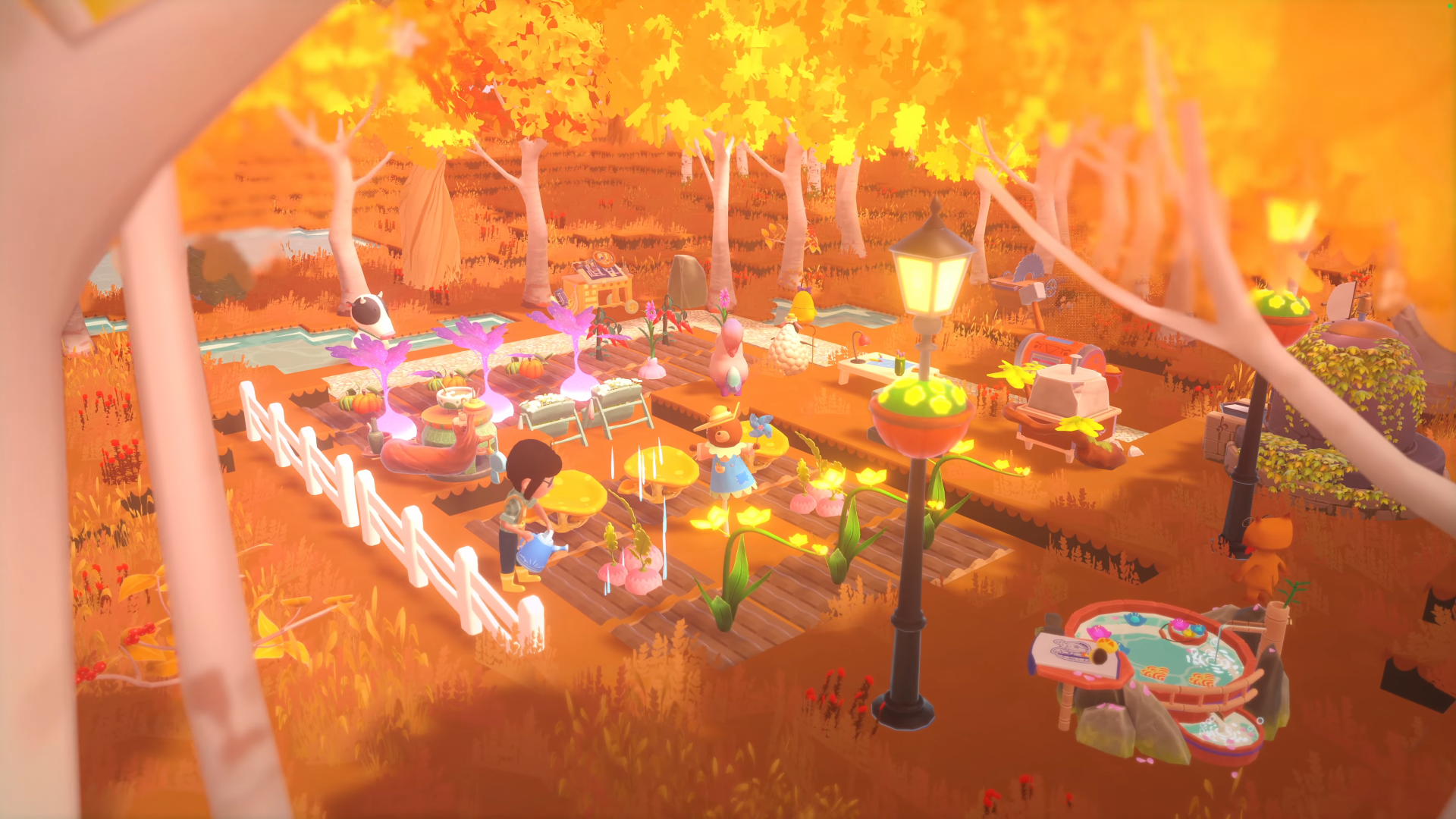
Sunflower Land is a community-driven farming experience on Polygon that has attracted over 700,000 active players. The gameplay follows a familiar loop of planting, harvesting, and crafting, but expands into additional systems like animal breeding, fishing, flower cross-breeding, oil extraction, and potion brewing. Player progression is tracked on-chain through the Bumpkin character, while the Portal system introduces community-built mini-games that extend beyond traditional farming mechanics.
The game’s economy is built around the SFL token, which powers crafting and transactions, alongside Flower as a secondary trade currency. NFTs include collectibles, decorations, and unique animal variants, all influenced by supply-and-demand scarcity. These assets can be traded both in-game and on external marketplaces. With continuous updates like Season 13 "Crabs and Traps" and contributions from over 100 developers, Sunflower Land stands out among crypto games for its community-driven development and evolving ecosystem.
Learn more about Sunflower Land.
3. Pixels
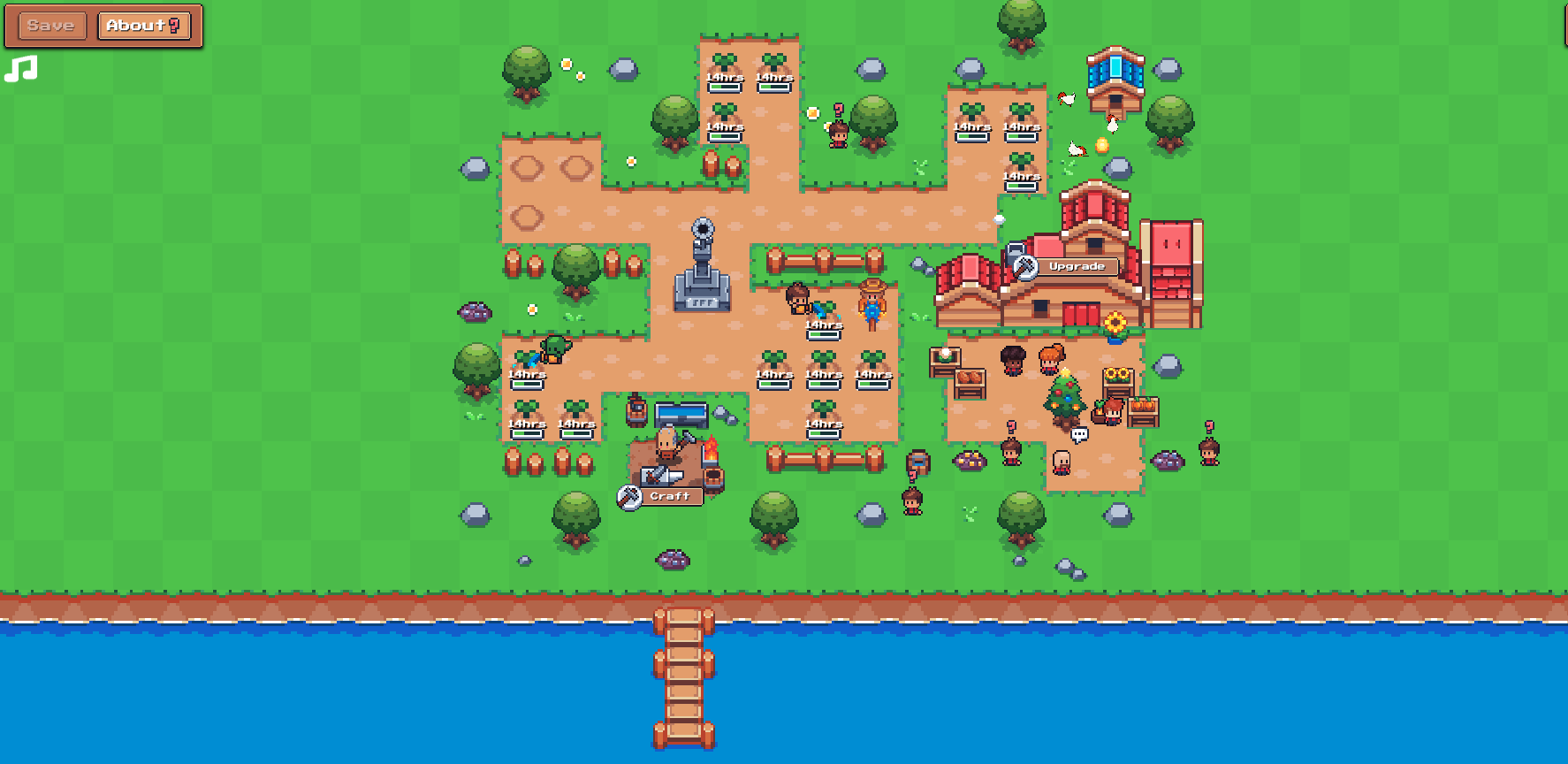
Pixels combines farming simulation with MMORPG elements across browser, Windows, and Mac platforms, operating on Ethereum and Ronin. Players manage farms, gather resources, and craft items while progressing through quests and unlocking new industries. An energy system regulates activity, while VIP tiers provide efficiency benefits. Additional systems like Animal Care introduce breeding mechanics, and the Alchemic Forge expands crafting depth. Social features such as guilds, customizable land, and seasonal events contribute to a connected multiplayer experience.
The in-game economy includes NFT land on Ronin, which provides production bonuses, and the Pixel token, which acts as the primary utility token. Equipment offers gameplay boosts, while baby animals function as consumable assets created through Incuvite Potions. Legacy animals serve as limited-edition collectibles with capped supply. As one of the more complex blockchain games in the farming genre, Pixels integrates multiple play-to-earn systems tied to progression, efficiency, and asset ownership.
Learn more about Pixels.
2. NomStead
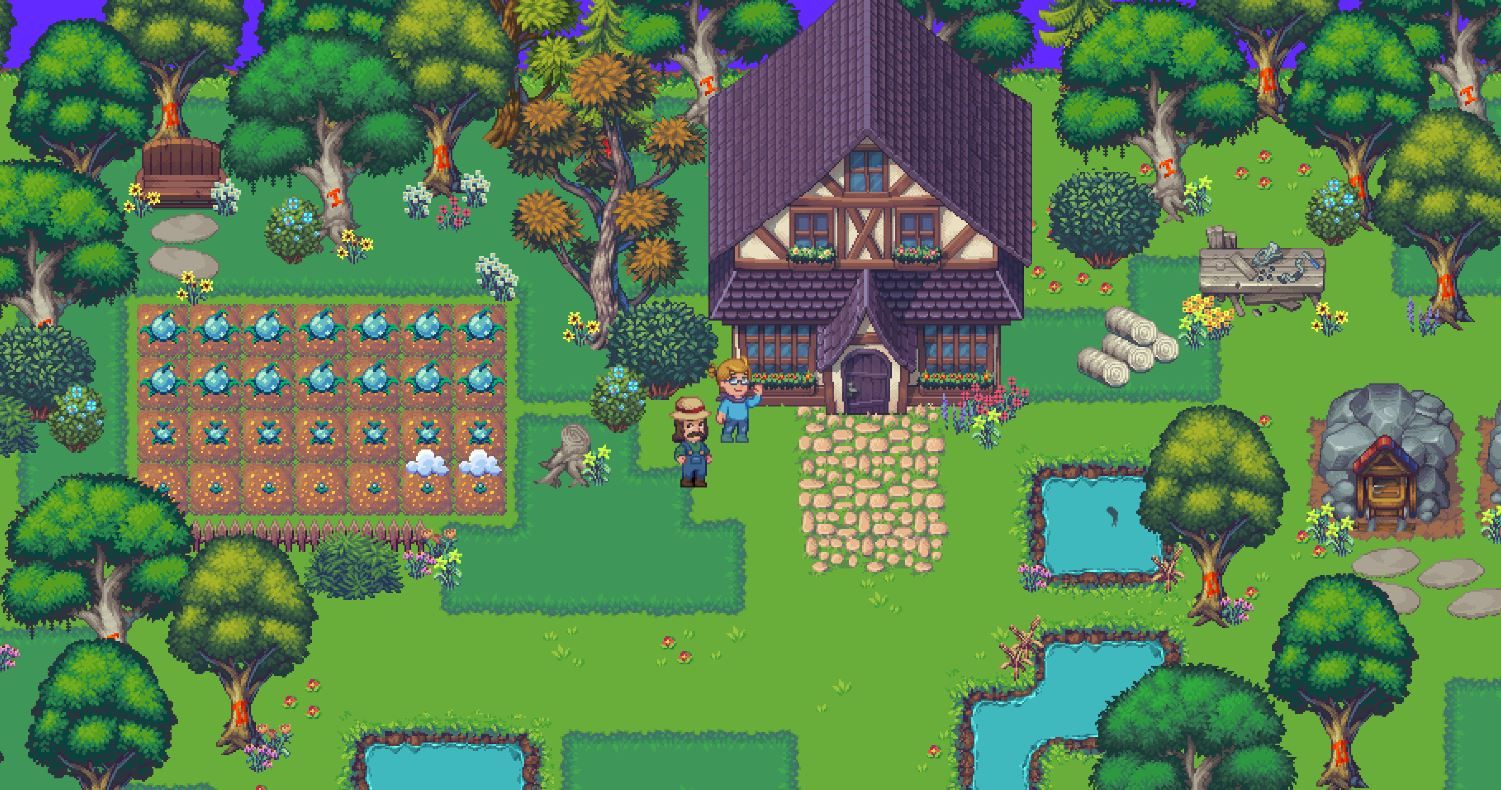
NomStead is a sandbox MMO-RPG on Immutable that blends farming with tile-based kingdom building. Players expand their territory by placing tiles, gathering resources, and constructing buildings. Daily quests drive progression by unlocking new recipes and leveling opportunities, while a guild system allows players to collaborate on shared objectives. The addition of Stadium Fights introduces PvP combat into the mix, with match outcomes recorded on-chain, signaling a shift toward more competitive gameplay.
The economy is centered around a gold-based system that supports direct player-to-player exchanges. Land tiles act as the core gameplay assets, while companions assist with exploration and resource collection. Limited items such as Demon-themed weapons and armor were introduced through the Genesis Combat Chest mint, tying into the new PvP system. As NomStead moves toward a full MMORPG transition, it reflects a broader trend among play to earn games that combine sandbox mechanics with player-driven economies.
Learn more about NomStead.
1. Pumpville World
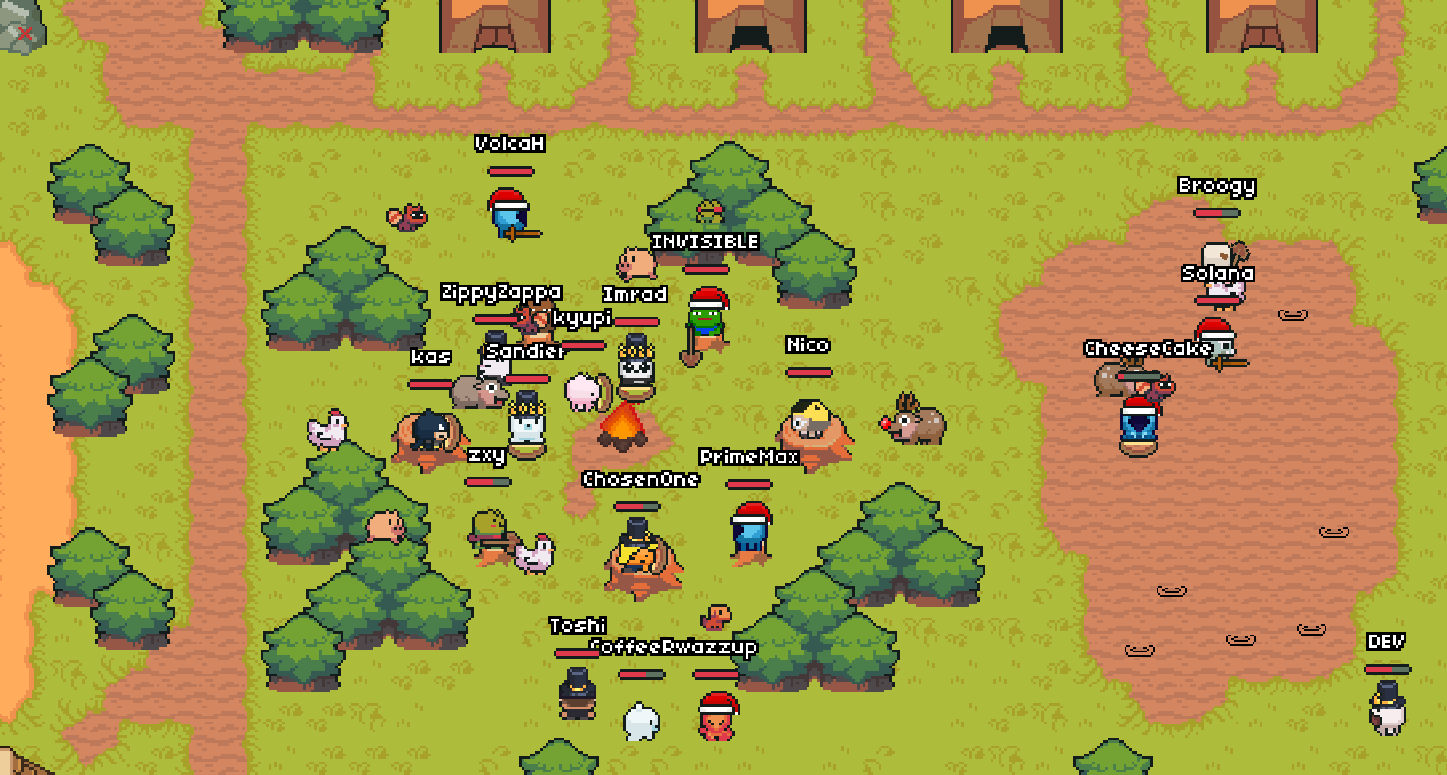
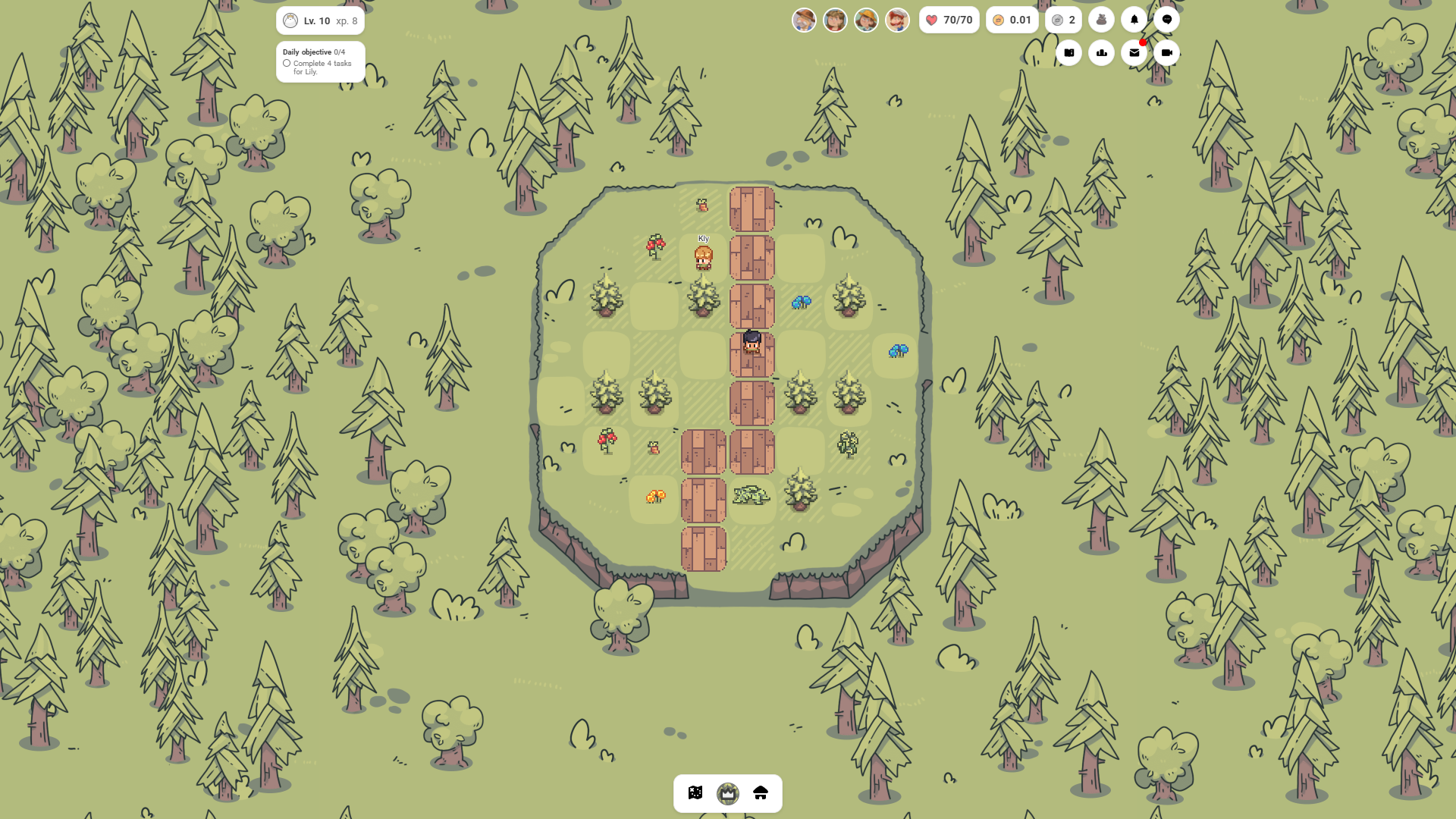
Pumpville World is a social multiplayer pixel-art game on Solana that combines farming-adjacent mechanics with exploration and community interaction. Players can explore different zones, including beaches, forests, and town areas, while engaging in activities such as fishing, resource gathering, crafting, and PvP battles. Seasonal events, like the Fishing Festival, introduce limited-time challenges and rare collectibles, encouraging ongoing participation.
The in-game economy is currently in a testing phase, operating with in-game coins while the $PUMPVILLE token is planned for future integration. Marketplace access is gated by factors such as account age, holdings, and experience points to manage trading behavior. Players can acquire and exchange pets, tools, and cosmetic items, with rare assets obtained through treasure exploration. With a strong focus on social systems like chat, gifting, and community town halls, Pumpville World represents a growing segment of blockchain games that emphasize player interaction alongside play-to-earn opportunities.
Learn more about Pumpville World.