PlayToEarn













 Plus
Plus



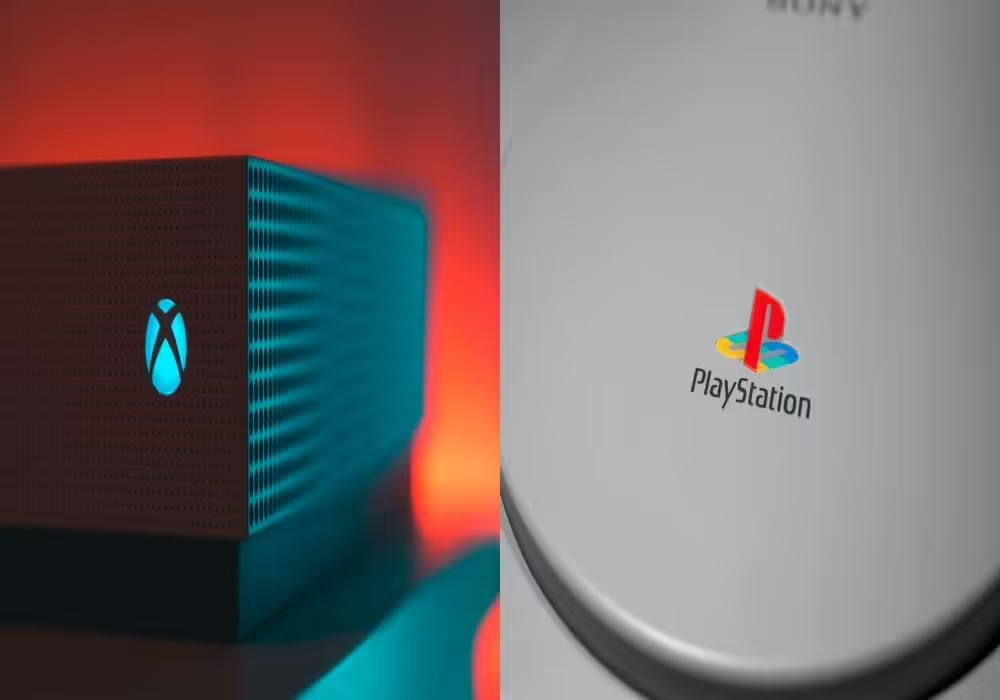
In a far future, the gaming industry had gone through a remarkable transformation. Xbox and PlayStation, two of the biggest names in gaming spearheaded by Microsoft and Sony respectively, were both part of the paradigm shift, embracing the use of non-fungible tokens (NFTs) to create unique, valuable digital assets that would change the way gamers interact with their favorite games.
NFTs, as a concept, had already revolutionized the creative world of art by introducing a way to authenticate and verify the ownership of digital artwork. But now, in the gaming world, NFTs had a whole new potential. The idea of owning a piece of a game was nothing new, but with NFTs, this ownership became not only verifiable but also transferable and tradable.
While Xbox’s Phil Spencer currently shows disinterest in P2E games, his readiness for the metaverse will likely end up leading to a growing interest in NFT games, as blockchain gaming represents a crucial component of the metaverse. Microsoft is no stranger to NFTs by now. Even though they, alongside their subsidiary Mojang, banned NFTs from Minecraft, their interest in non-fungible tokens is still there and is plain apparent, having launched Minecraft-compatible NFTs to celebrate the International Day of Women and Girls in Science in 2021 using Enjin, a year before they banned the very same nascent technology in the world’s best-selling game to date. This ban is merely just a temporary smokescreen of what they have planned in the future.
Sony on the other hand, has kept a more open mindset, launching a survey and filling patents related to NFTs. One patent reveals plans to track in-game assets using Web3 technology, while the other patent suggest plans on introducing in-game NFT renting through PlayStation consoles. All this may potentially place them in a future advantage over its competitor.
In the future, Xbox and PlayStation had both released their own NFTs, ranging from unique in-game items to virtual real estate. These digital assets had become the new collectibles, and their scarcity made them valuable. Gamers could now buy, sell, and trade NFTs with other players or on dedicated marketplaces, creating a new economy within the gaming industry, while enjoying a variety of P2E console titles.
For example, Xbox had released an exclusive NFT that granted players access to a secret level in their latest blockbuster game. The NFT had a limited supply, and its ownership became a badge of honor for the most dedicated players. PlayStation had created an NFT collection that featured iconic characters from their games, such as Kratos from God of War and Nathan Drake from Uncharted. Collectors could own a unique, digital representation of these beloved characters.
Not only did they introduce in-game NFTs, but they also turned video games on their platform into NFTs themselves, making it possible to resell games just like you would physical editions, but unlike physical copies, selling NFT versions of games to others brought benefits to the craftsmen behind those immersive experiences, as developers would take fees on resold games.
The impact of this innovative tech was significant, as it led to a new way for gamers to engage with their favorite games and characters was born. New revenue streams for both game developers and publishers were also unlocked. Selling non-fungible tokens had become a significant aspect of the gaming industry's business model, and players had become investors in the digital assets that they owned, making it a win-win situation for everyone, unlike previous monetization models that were mostly anti-consumer.
The increase of the number of gaming NFTs had also caused backlash, with some thinking that the creation and sale of blockchain-backed assets went against what gaming is, an interactive and entertaining medium. There were also unverified concerns about the environmental impact of what they thought to be supposedly energy-intensive blockchain technology surrounding the creation of NFTs, even though most blockchain networks are carbon-neutral and one of the most-used networks, Ethereum, lowered its energy consumption by 99.99% when it moved to Proof-of-Stake with the Merge.
Despite these criticisms, the use of NFTs in video games continued to successfully grow. Players were willing to buy digital assets that they deemed to be valuable and needed to use in a game, and game developers were eager to create new, unique NFTs to offer to their fans. Xbox and PlayStation remained at the forefront of this innovation, driving the gaming industry forward into a new era of ownership and collectability.