PlayToEarn













 Plus
Plus



Indie game developer Mon Studios has announced plans to introduce a big Season 2 update to Spellborne over the course of this week in an effort to reward skill-based gameplay over mindless grinding.
What Is Spellborne?
Spellborne is a free to play MMORPG that blends old-school monster catching gameplay with farming, crafting, guild play, and competitive turn-based combat. Players start as one of 3 hunter characters and explore a Pokémon-inspired, retro-styled 2D fantasy world filled with monsters, resources, and hidden opportunities. The game features guild creation and participation, PvP battles, guild wars, and seasonal events, offering activities for both casual and competitive players.
Developed by Mon Studios, Spellborne integrates a blockchain-powered, player-driven economy in which players can engage with NFTs and tokens if they so choose to, while still being able to enjoy the full game without blockchain interaction. Monsters, apartments, items, and cosmetics can exist as NFTs, but exploration, crafting, and story progression remain open to all players, making for an accessible experience for traditional web2 gamers while still offering the ability to play and earn and own tokens and on-chain assets for gamers interested in dabbling into blockchain gaming.
What’s New in Spellborne’s Season 2 Update?
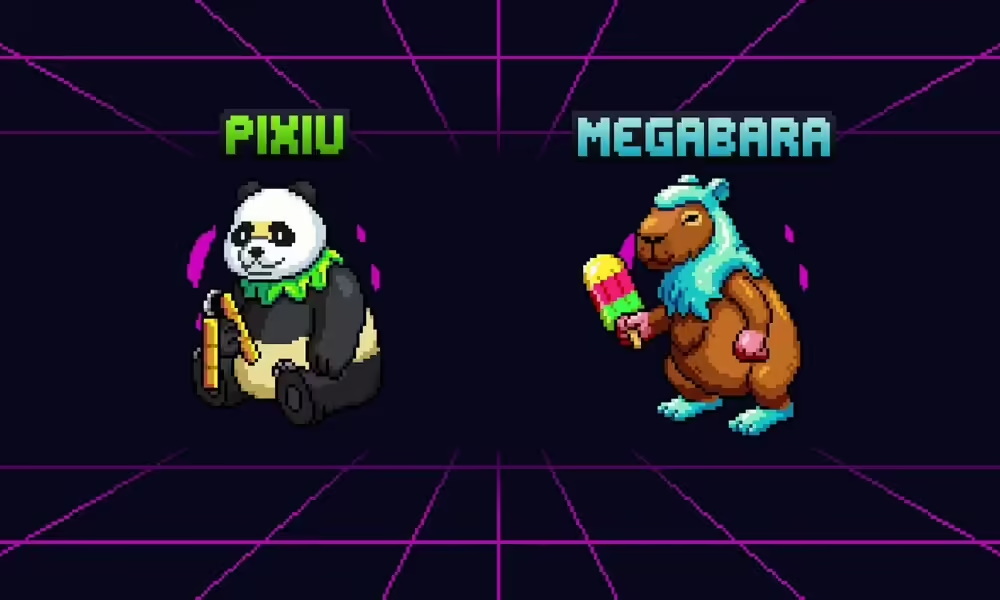
For this latest update to the cross-platform title, the developers are adding in 4 new mutations to the game while adjusting how gameplay points are earned in order to “reward skill over grind.”
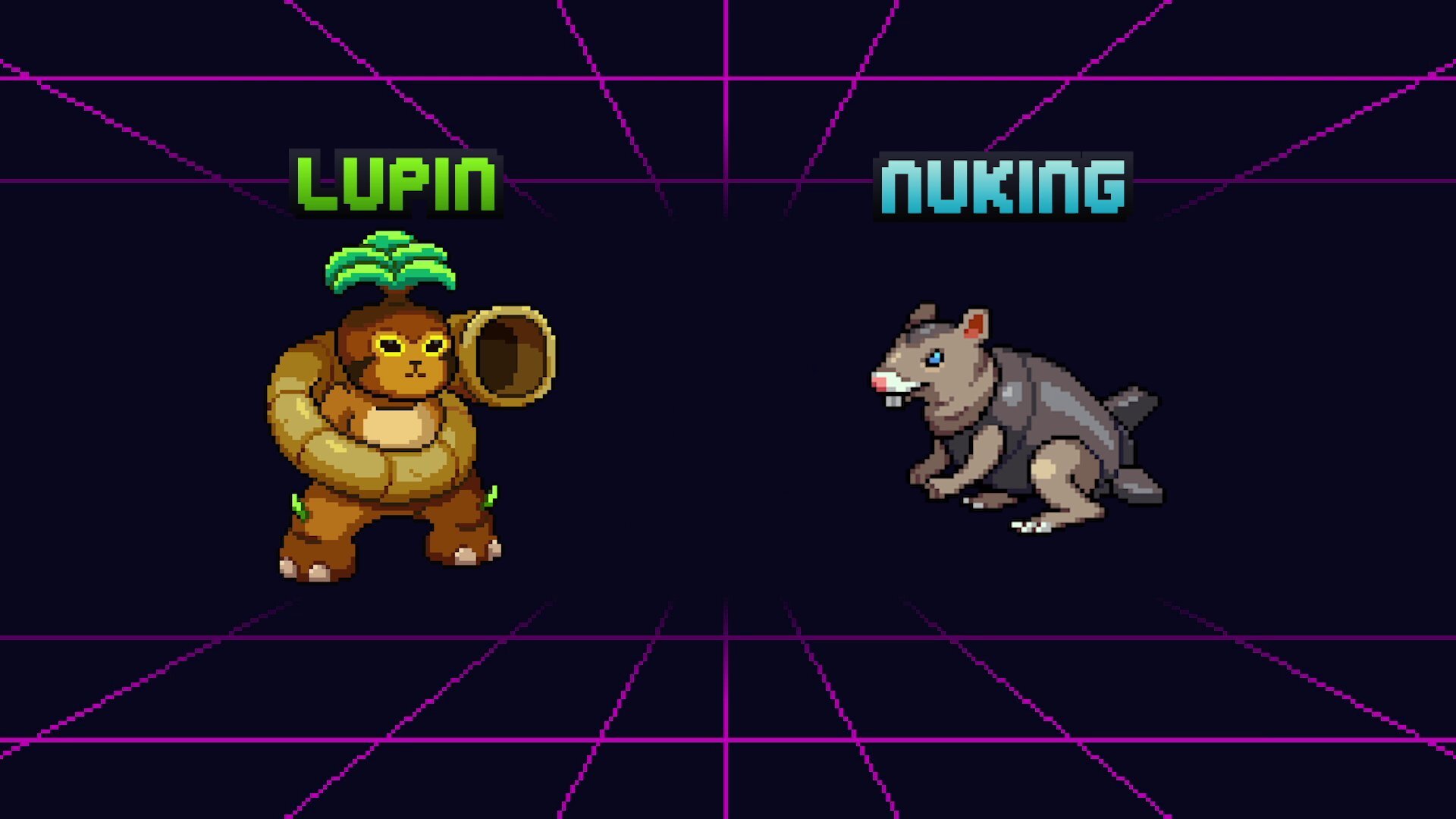
The new mutations in question are 4 new Stage 3 mutation you can choose to evolve your Nindoro, Kapibro, Mutwig, and Grenadent monsters to: Pixiu, Megabara, Lupin, and Nuking. These new forms can be unlocked with the following items:
- Leaf Crown – Pixiu
- Ribbon Bow – Megabara
- Crystal Flower – Lupin
- Forced Upgradation Device – Nuking
All of these items can be earned from PvP chests.
If you have the right monster (Nindoro -> Pixiu, Kapibro -> Megabara, Mutwig -> Lupin, or Grenadent -> Nuking), and you feed it the right item, you can activate its Stage 3 mutation, making it a formidable foe for others to face in PvP combat.
Speaking of PvP, the game is getting some significant changes to how gameplay points work.
Once this new update goes live, players will earn gameplay points for each PvP chest opened. The rarer the chest is, the more points you get. There are no changes to gameplay points earned from the Task Board, nor are there changes to Store or Creator points. However, according to the official X announcement thread, catching monsters will no longer give you any gameplay points at all. But, just a day later, new development notes were posted in the game’s official Discord server that state that you will only receive 1 gameplay point per monster caught instead. While you at least get something, it’s still a significant reduction. This means you can’t simply rely on grinding catching monsters for easy points anymore, but instead need to put your skills to the test to be adequately rewarded for your efforts.
“These updates make progression more accessible and ensure rewards reflect skill, not grind.”
You can expect this update to go live at some point during this week. The latest dev notes have already provided us with a teaser for next week though. For next week, expect more T3 mutations: Entomore, Quinbee, Manatoll, and Wormeta. Next to more mutations, you will be able to buy gold nuggets directly in-game using ETH, USDC, and the game’s $BORNE token. Buying with staked $BORNE should provide a 5% discount, and players are getting the option to reject PvP chests in exchange for 1 gold nugget. Chests should also be possible to speed up with $BORNE tokens, at least on the Avalanche network, with the option also set to be coming to Abstract soon as well.
How to Play and Earn in Spellborne
Spellborne offers multiple ways to play and earn through gameplay.
One method is by collecting monsters, known as Mons. These can be minted into NFTs and traded on marketplaces such as OpenSea via the Monsters NFT collection on Avalanche. In addition to monsters, players can also trade items including consumables, cosmetics, crafting materials, tools, skins, and various resources.
Earnings are also possible through competition. Players can climb PvP Leagues by winning turn-based ranked battles, with high-ranking participants receiving chests containing $BORNE tokens. Seasonal events and leaderboard competitions provide further opportunities to win token rewards.
Community collaboration is another pathway to crypto rewards. By joining or forming a guild, players can take part in large-scale Guild Wars to compete for territory and rewards. Earlier this year, the Enchanted Guild Wars event offered a 250k $BORNE prize pool.
The in-game economy also combines open markets with guild-controlled routes. Kanta the Trader appears along battle routes to facilitate guild-operated market hubs. Guilds bid for the right to manage these hubs, paying fees but also earning revenue from transactions. The main marketplace fee is set to 5%, while guild marketplaces charge 3% plus any additional percentage set by the guild. Guilds can also provide benefits such as exclusive drops, discounts, bundles, and custom cosmetics.
All in all, this on-chain game provides a variety of earning opportunities, from high-level PvP and seasonal challenges to monster trading and guild-controlled markets. Learn more in the game’s official whitepaper.
After its official mobile launch in July 2025, Spellborne is now available on Android and iOS via the Google Play Store and Apple App Store. If you don’t want to play on mobile, you can also enjoy the game on your web browser as a free to play title, with an upcoming release planned for the Epic Games Store on both Windows and Mac.
Last month, Spellborne launched the $BORNE token on August 29, officially kickstarting the game’s play to earn economy while paving the way for the studio’s web3 gaming ecosystem, where the non-governance token will have cross-game utility.