PlayToEarn




















 Plus
Plus



EU to Embrace Metaverse
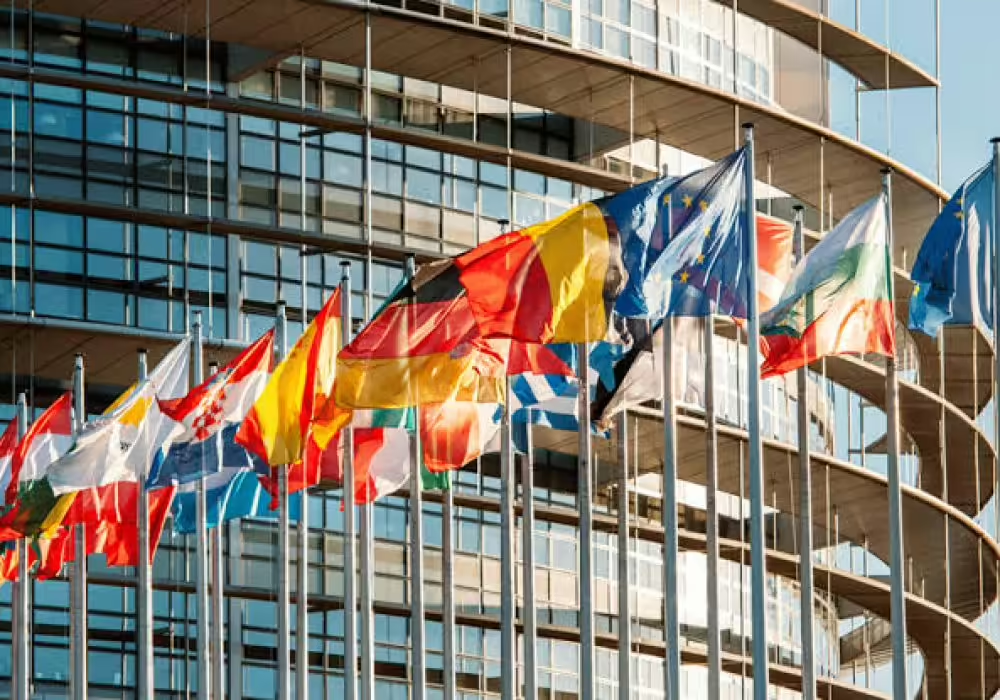
Members of the European Parliament (MEPs) sent a resounding message on November 28th by adopting a draft own-initiative report for virtual worlds with a substantial majority. The report was endorsed by 31 votes in favor, two against, and eight abstaining. This move positions the EU to lead in metaverse development and reduce dependency on other nations in the tech domain.
Rapporteur Pablo Arias Echeverria said that the EU must not trail behind in the forthcoming digital revolution. This is underscoring the need to forge a foundation for Web4 based on robust EU rules, principles, and values. Echeverria who hails from Spain emphasized placing citizens at the core of the region's digital future.
The report advocates for the EU to establish a level playing field for European businesses within the evolving metaverse. It should also create digital worlds that align with EU values, fundamental rights, and consumer protections.
Key elements include the formulation of a sound policy framework. It also includes educating citizens on responsible uses of metaverse technologies.
Benefits and Challenges With The Metaverse
MEPs acknowledged both the opportunities and challenges of the metaverse. The potential benefits encompass novel economic development avenues, innovative work and education paradigms. The challenges revolve around the impact on data security concerns, cyber violence, and more.
This initiative is part of the EU's broader engagement with the metaverse landscape. Earlier this year, a proposal highlighted the EU's intent for the metaverse to embody EU values, fundamental rights. It also emphasized traits like trustworthiness, fairness, and inclusivity.
The EU's strides into Web4 reveal an ambition to integrate virtual worlds, a term it prefers over 'metaverse,' with the physical realm. This involves technologies such as blockchain, extended realities, and the Internet of Things (IoT).