PlayToEarn











 Plus
Plus



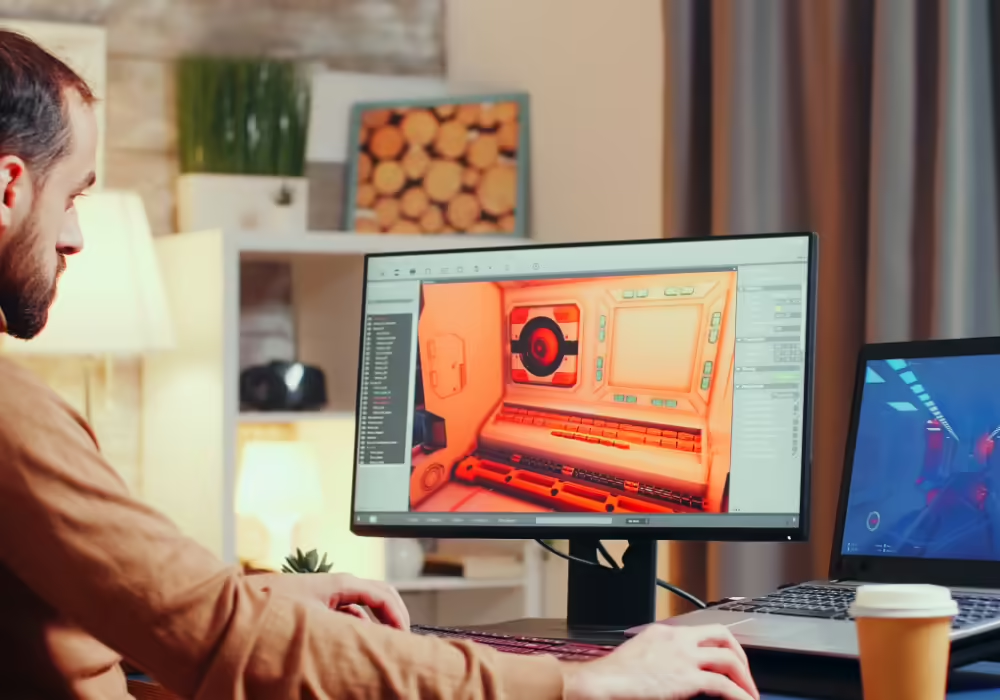
Crafting immersive experiences in Web3 games involves leveraging the unique attributes of blockchain tech to enhance gameplay and user interaction. This should be done seamlessly, giving players a sense of novelty while retaining the basic features of enjoyable gaming.
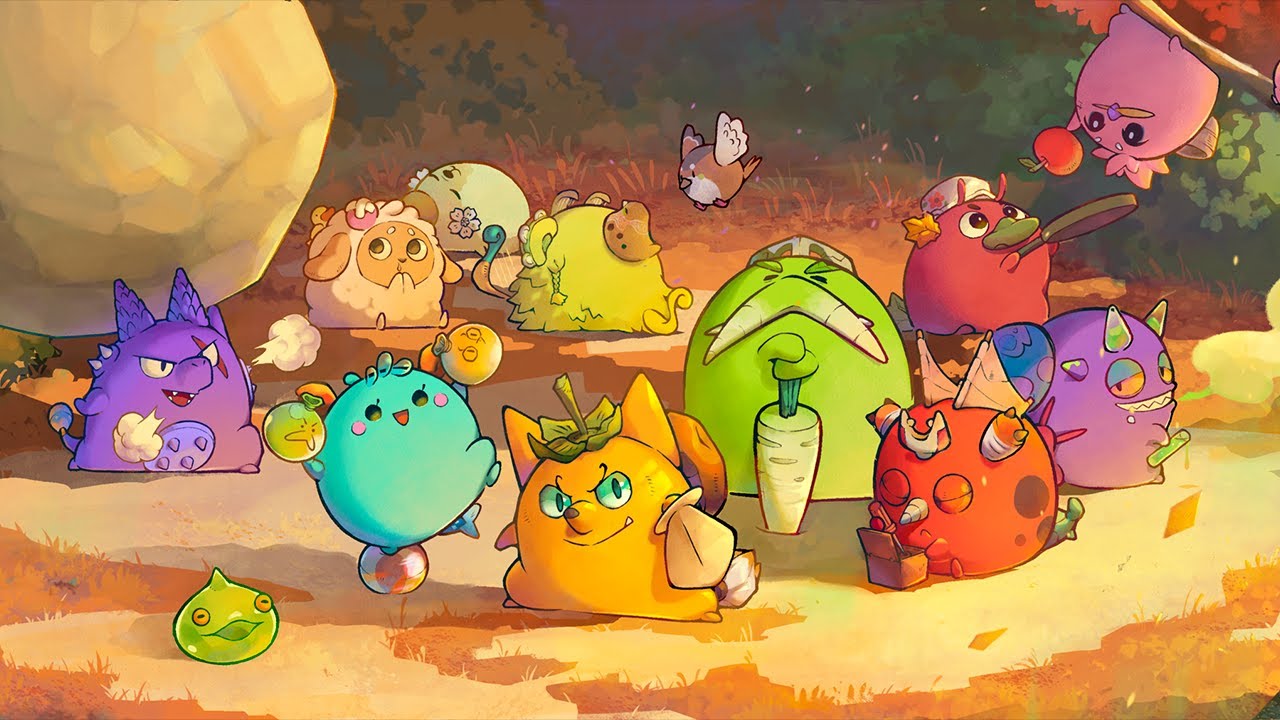
Immersive Web3 Gaming Experience
In mainstream gaming, immersion is achieved through compelling storylines, interactive environments, and responsive gameplay. Web3 games, however, add another layer by integrating blockchain's transparency and open nature.
For instance, "Axie Infinity," a popular blockchain-based game, offers a digital pet universe where players breed, raise, and battle creatures called Axies. This game stands out by allowing players to own their in-game assets as NFTs, trade them on open markets, and even earn crypto tokens through gameplay. Its game design cleverly integrates Web3 features, making the experience more immersive as players have real stakes in its virtual economy.

Using NFTs to Enhance Gameplay
NFTs can transform game design and strategy by introducing elements of ownership, scarcity, and provenance. They allow for the creation of unique, indivisible, and verifiable digital assets, which can be anything from in-game items to characters.
In "The Sandbox," a popular metaverse hub, players can own, create, and monetize their gaming experiences with NFTs. Each piece of land in the game is an NFT, giving players ownership rights and the ability to develop it as they see fit. This not only empowers players but also creates a more dynamic and user-driven economy, enhancing its strategic depth.
UX Design in Web3 Games: Bridging Blockchain and Gaming
Integrating blockchain into gaming should not come at the expense of user experience (UX). Successful Web3 games balance the complexity of blockchain tech with the need for an intuitive and accessible experience.
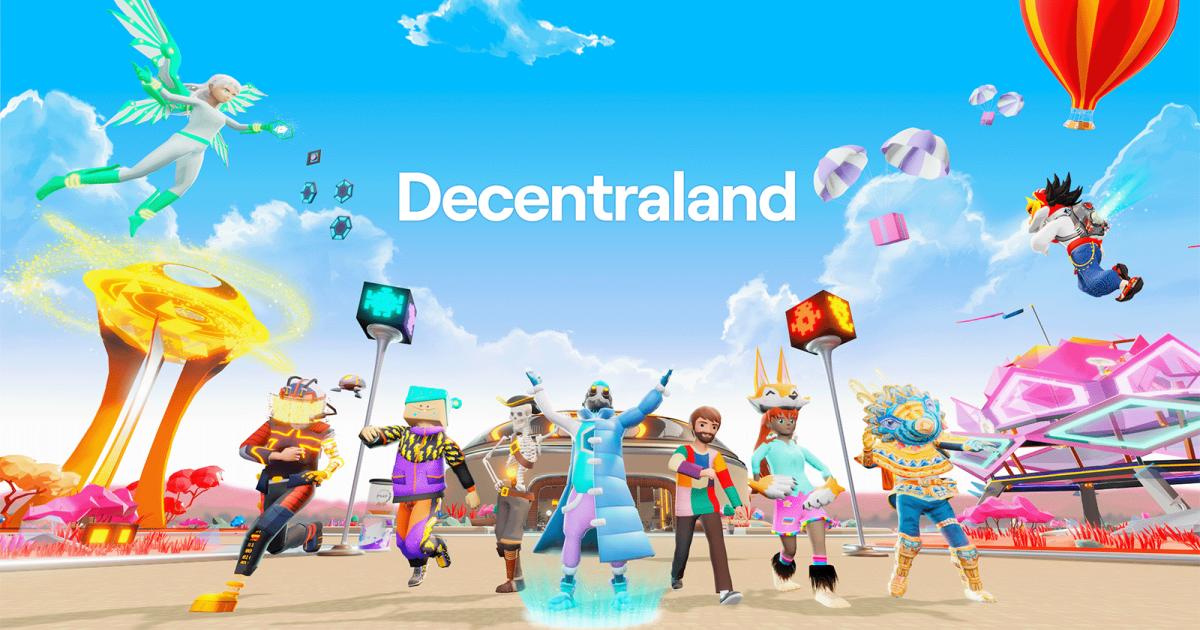
For instance, "Decentraland," a virtual reality platform, offers a user-friendly interface that hides the underlying Web3 complexity. Players can explore, interact, and create digital content, with transactions facilitated by blockchain in the background. This approach ensures that the technology improves the gaming experience without overwhelming the player.
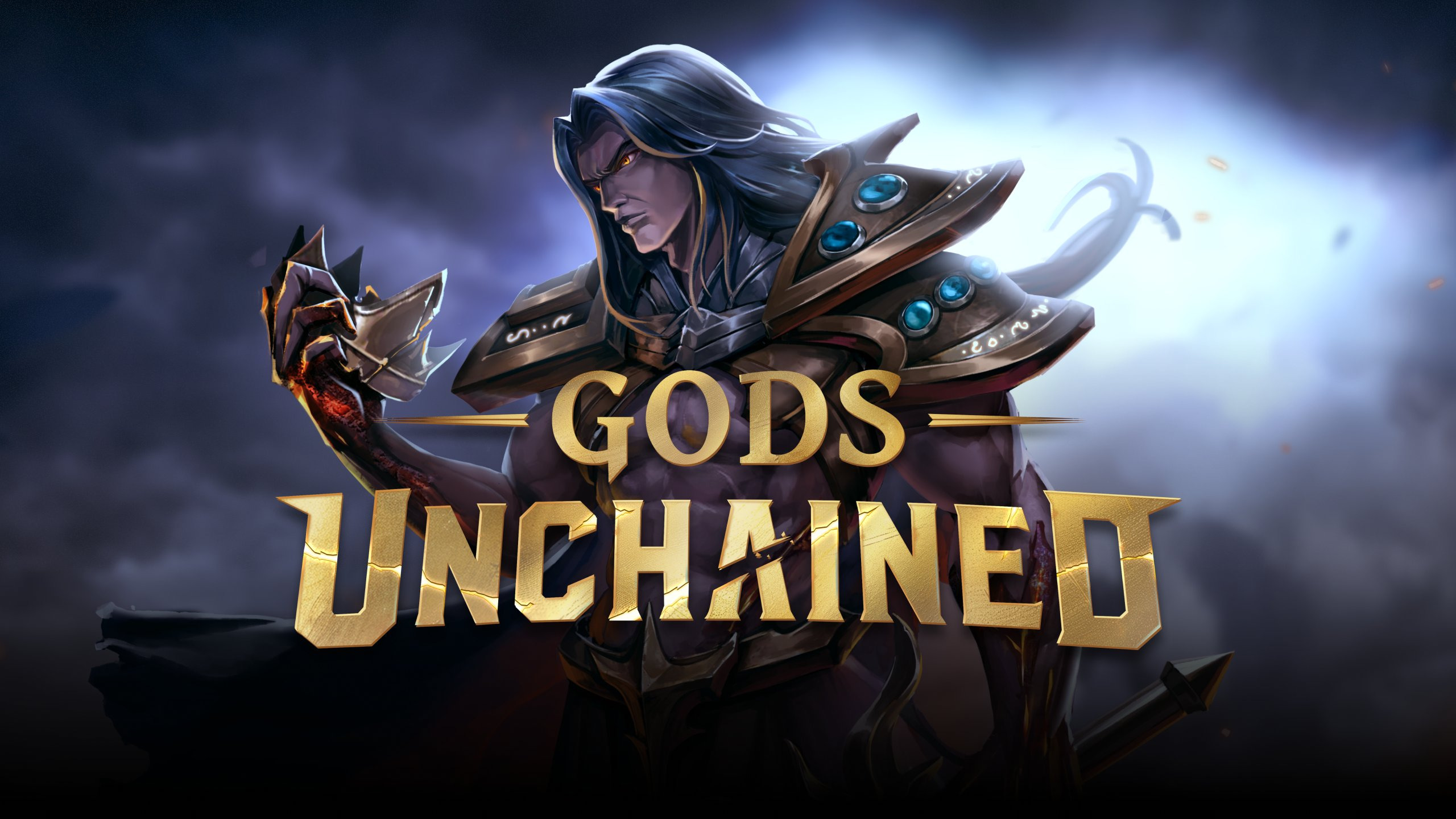
A common challenge in NFT games is the steep learning curve associated with blockchain, such as wallet setup, crypto transactions, and understanding NFTs. Games like "Gods Unchained," a crypto TCG, address this by offering a gaming experience similar to mainstream TCG while integrating Web3 elements. For instance, the game uses NFTs for card ownership but maintains a traditional card game feel, making it accessible to both crypto-savvy and traditional players.
The Need for Simpler UI
Many blockchain games face challenges with their interfaces, making processes like signing up, understanding interactions, and connecting to wallets complicated. This can deter new users, especially those coming from traditional gaming environments. To address this, several key improvements are required:
- Enhanced UI Design: Focus on clean, aesthetic interfaces that simplify navigation and token transactions.
- User-Centric Approach: Prioritize usability in game design – wallet connectivity and in-game transactions should be straightforward and intuitive.
- Guide Your Users: Provide guidance to help new players understand the basics of blockchain, easing their transition into the game.
- Iterative Design Approach: Recognize the need for ongoing refinement in UI/UX design, and encourage developers to continuously improve the interface based on user feedback and changing needs.
- Developer-Designer Synergy: Foster a closer collaboration between game devs and UI/UX designers to create interfaces that are both secure and user-friendly, improving the game's quality.
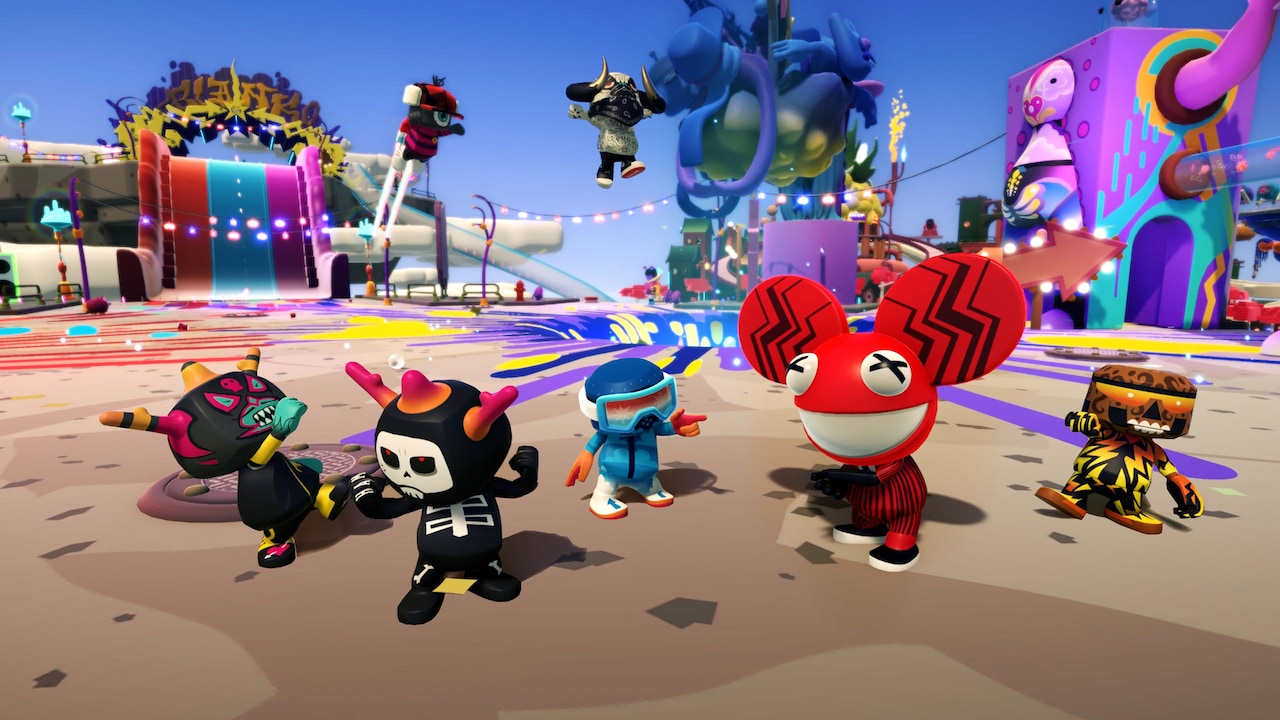
For broader adoption, blockchain games need to focus on creating UIs that are easier to navigate, even for those unfamiliar with cryptocurrency. Simplifying the UI, especially in terms of transactions and wallet interactions, is crucial. A prime example of this is seen in Blankos Block Party, a free-to-play MMO by Mythical Games. In Blankos, blockchain transactions occur seamlessly in the background, allowing players to have a great time without being bogged down by crypto-related details.
Looking Ahead
The best Web3 game design and UX seamlessly integrate blockchain tech to enhance gameplay, add strategic depth, and give players a sense of ownership and participation. This integration should not overshadow the core gaming experience but rather complement it.
Games like Axie Infinity, The Sandbox, Decentraland, Gods Unchained, and Blankos Block Party demonstrate how blockchain can be used to create immersive and engaging player experiences. The future of Web3 gaming lies in striking the right balance between innovative blockchain use and traditional gaming aspects to create unique, enjoyable, and accessible games.