PlayToEarn


















 Plus
Plus



The gaming landscape has undergone a transformation with the advent of NFTs (non-fungible tokens). Beyond mere gameplay, blockchain games have created a distinct socio-economic environment complete with player guilds, communities, alliances, and intricate strategies. Mirroring social structures of the real world, these communities foster both collaboration and competition in a virtual realm.
The Rise of Web3 Gaming Communities
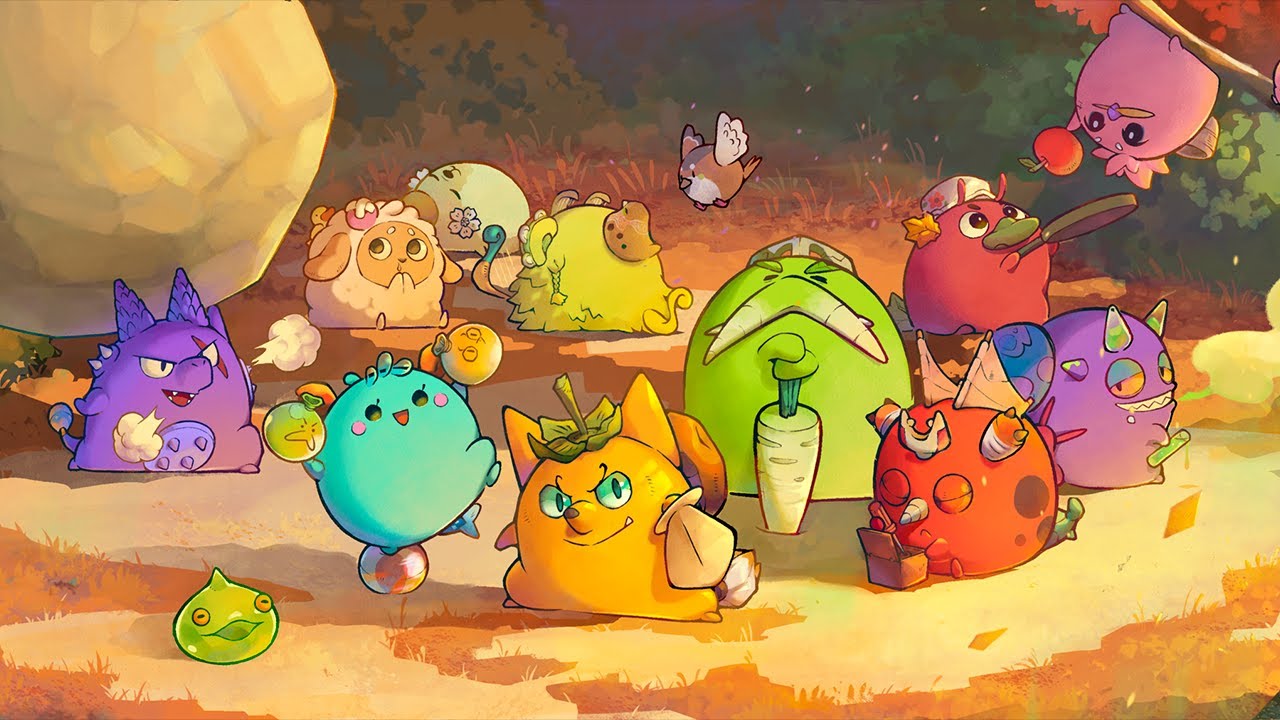
To understand the allure of blockchain gaming communities, look no further than the success of games like Axie Infinity. The NFT card-based game allows players to collect, breed, and battle fantasy creatures called Axies. Given the real-world value of these tokenized assets, many players have grouped together to form 'scholarships,' such as those offered by Yield Guild Games (YGG) and Merit Circle. These groups allow players to participate without the initial capital by borrowing Axies and sharing in-game profits.
Strategic Alliances in the Virtual World
Beyond singular games, the larger Web3 gaming sphere has witnessed communities banding together, forming alliances for mutual benefit. Taking a leaf out of Axie Infinity's playbook, other games like The Sandbox and Decentraland have seen players or landowners team up. By pooling resources and virtual real estate, these alliances can create larger, more ambitious in-game projects or events, drawing more players and increasing the value of their shared assets.
For instance, in The Sandbox Alpha Season 3, the platform released over 90 virtual experiences, with 27 games from brand partners like Snoop Dogg, BAYC, and Deadmau5, 20 experiences backed by The Sandbox Game Maker Fund, and 12 user-generated content (UGC) from independent creators. This impressive collab has resulted in 17 million visits to The Sandbox, a threefold increase over Season 2!

Formulating Strategies: In-Game and Beyond
Given the tangible economic impacts, strategies in Web3 games are multifaceted. For instance, Illuvium offers unique tokenized items such as Illuvials from the Overworld game and resources like fuel that can be used to alter gameplay. Guilds might strategize to corner the market on specific items, ensuring dominance in gameplay and economic advantage.
Similarly, in MIR4, where players can engage in MMO battles and mine resources like Darksteel that can be sold for crypto, guilds strategize to control resources, trade routes, and even impose taxes on Darksteel mining. By controlling specific chokepoints like Hidden Valley, guilds in MIR4 can exert influence over gameplay and its in-game economy.

Social Structures: From Hierarchies to Decentralized Governance
The organization within these communities varies, but many echo real-world structures. In Axie Infinity, larger scholarship programs often have a hierarchical structure with managers, trainers, and scholars, each playing a distinct role. Managers might invest in and own the Axies, trainers could guide newer players, and scholars are those who actually play, borrowing the Axies.
However, in keeping with the decentralized ethos of Web3, many guilds are experimenting with DAOs (decentralized autonomous organizations). YGG, for instance, is a decentralized gaming guild where decisions, from investments to game strategies, are made collectively by its members. Owning the YGG token provides voting rights, ensuring an open approach to decision-making.
The Real-Life Impact of Virtual Communities
The socio-economic impact of these communities extends beyond the virtual realm. The Philippines, for instance, has seen a surge in Axie players during economic downturns induced by Covid-19. For many, playing and earning from the game became a primary source of income. Scholarships, as a result, weren't just in-game strategies but real-world lifelines, showcasing the profound intersection of virtual communities and real-world economies.
Final Thoughts
Web3 gaming communities, with their deep alliances, strategies, and social structures, provide an intriguing study at the intersection of technology, economics, and sociology. These communities are reshaping gaming paradigms, from Axie Infinity's scholarships to YGG's decentralized governance. As virtual and tangible worlds intertwine, it is evident that the future of gaming lies at this exciting crossroad.