PlayToEarn


















 Plus
Plus



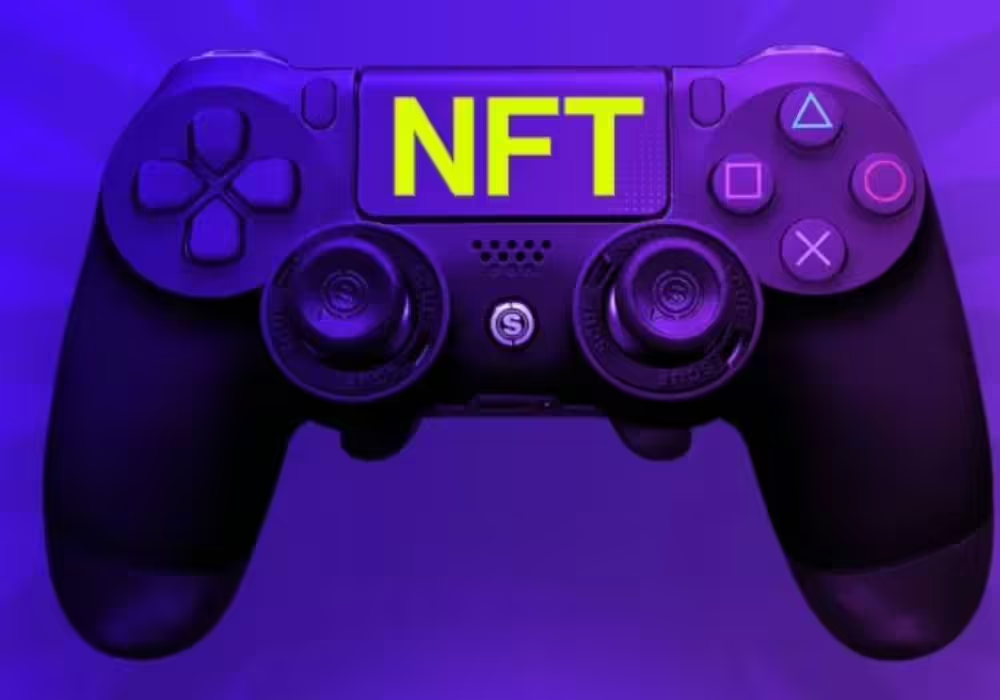
The NFT gaming landscape is evolving rapidly, with new titles and concepts emerging almost daily. However, amidst this flurry of innovation, certain types of NFT games stand out as having the highest chances of achieving mainstream success. Let's delve into the specifics.
1. Cosmetic-Driven NFT Games
Depth: Cosmetic-driven NFT games revolve around aesthetics. Unlike traditional games where skins or avatars are just for visual appeal, in these NFT games, every cosmetic item is a unique token with potential real-world value.
High-Yield Points:
- Exclusivity: Owning a rare skin or avatar becomes a status symbol, driving demand and value.
- Tradeability: Unlike traditional games, players can sell or trade their cosmetic NFTs, potentially earning profits.
- Community Engagement: Developers can release limited-edition cosmetics, driving community events, competitions, or collaborations.
- Evolving Aesthetics: As the game progresses, older cosmetic items can become rare, increasing their value and demand.
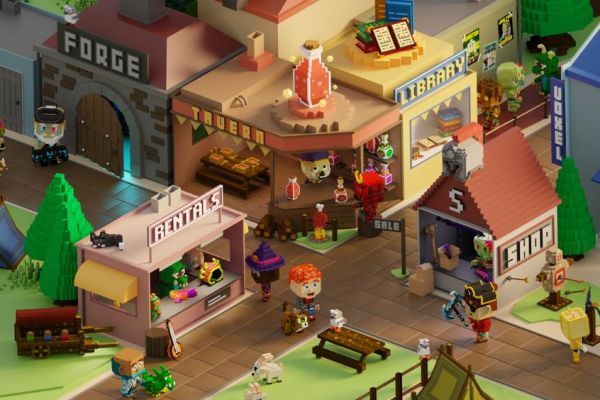
A prime example is the world of Voxies, where cosmetic attributes like costumes and hats are not just for show but have tangible value on the blockchain.
2. Strategy-Based NFT Games
Depth: These games integrate NFTs into their core mechanics. Every strategic asset, be it a character or a weapon, is an NFT, influencing gameplay outcomes.
High-Yield Points:
- Dynamic Gameplay: Players need to strategize based on the NFTs they own, leading to varied and unique gameplay experiences.
- Asset Appreciation: As players level up their assets or as certain assets become rare, their market value can increase.
- Inter-game Utility: Some NFTs can be used across multiple games, enhancing their utility and value.
- Community Collaborations: Players can collaborate, forming alliances or strategies based on combined NFT assets.
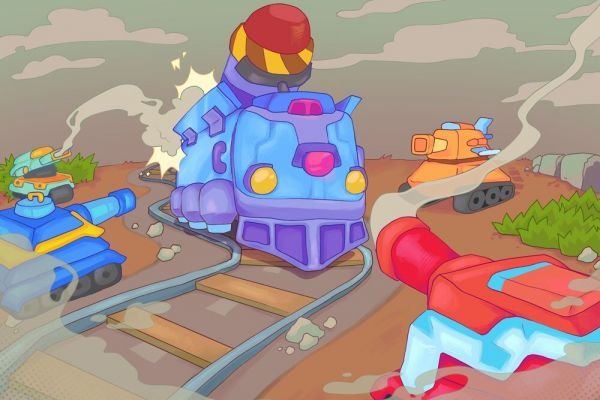
One such game is Panzerdogs, where teams must strategize based on each player's strengths and weaknesses. Another notable mention is Heroes of NFT (HON), a collectible card game that integrates NFTs into its core gameplay, allowing players to trade and battle using their unique cards.
3. Virtual World NFT Games
Depth: These expansive digital universes, reminiscent of MMORPGs, allow players to own, trade, and develop parts of the virtual world as NFTs.
High-Yield Points:
- Virtual Real Estate: Just as in the real world, location matters. Prime virtual locations can become hotspots, driving up their NFT value.
- Business Opportunities: Players can start in-game businesses, from virtual concerts to shops, generating real-world income.
- Social Interactions: These worlds become social hubs, where NFTs can influence status, interactions, and community roles.
- Dynamic Economies: Supply and demand in these virtual worlds can mirror real-world economic principles, driving NFT value.
Planet IX is a leading example of this genre, a space strategy game where players can own, trade, and develop parts of a virtual universe.
4. Collectible Card NFT Games
Depth: Building on the model of traditional collectible card games, these NFT versions add blockchain's benefits, making each card a unique, tradable asset.
High-Yield Points:
- Scarcity & Rarity: Limited edition cards or those with special attributes can command high market values.
- Tournaments & Battles: Players can compete in global tournaments, with card NFTs influencing outcomes.
- Inter-game Utility: Some card NFTs might be usable across different games or platforms.
- Community Building: Trading, discussing strategies, or collaborating on card decks can foster strong player communities.
Heroes of NFT (HON) is a prime example of this category, where players can collect unique cards and use them in battles or trade them in various marketplaces.
5. Skill-Based NFT Games
Depth: These games reward players with NFTs based on skill milestones, achievements, or challenges, ensuring a meritocratic system.
High-Yield Points:
- Merit Over Money: Players can't simply buy their way to the top; they must hone their skills to earn valuable NFTs.
- Skill Progression: As players improve, they can earn better NFTs, adding a tangible sense of progression.
- Challenges & Tournaments: Regular skill-based challenges can keep the player base engaged and competitive.
- Trade & Monetize Skills: High-skill players can potentially trade their earned NFTs for significant profits.
The Downfall of Captcha Farming NFT Games
Captcha farming games, where players perform repetitive tasks (like solving captchas) to earn NFTs, are unlikely to achieve long-term success. Here's why:
- Unsustainable Model: These games often rely on a constant influx of new players to purchase NFTs from earlier players. This pyramid-like structure is inherently unstable and can collapse if new player acquisition slows down.
- Lack of Engagement: Repetitive tasks offer little to no entertainment value, making it hard to retain players.
- Economic Imbalance: The value of NFTs earned from captcha farming can plummet if the market is flooded, leading to disillusioned players.

In conclusion, the NFT gaming landscape is diverse and rich with potential. Each game mode offers unique opportunities and challenges. However, the common thread is the integration of blockchain technology, which adds real-world value, tradeability, and uniqueness to in-game assets. As the industry evolves, games that offer genuine value and engaging experiences will undoubtedly rise to the top.