PlayToEarn







 Plus
Plus



If you are looking for virtual worlds where every crop harvest can translate into potential rewards, you have come to the right place. Our team tested and sorted the top games for you to help identify which titles are leading the pack this October.
5. Moonfrost
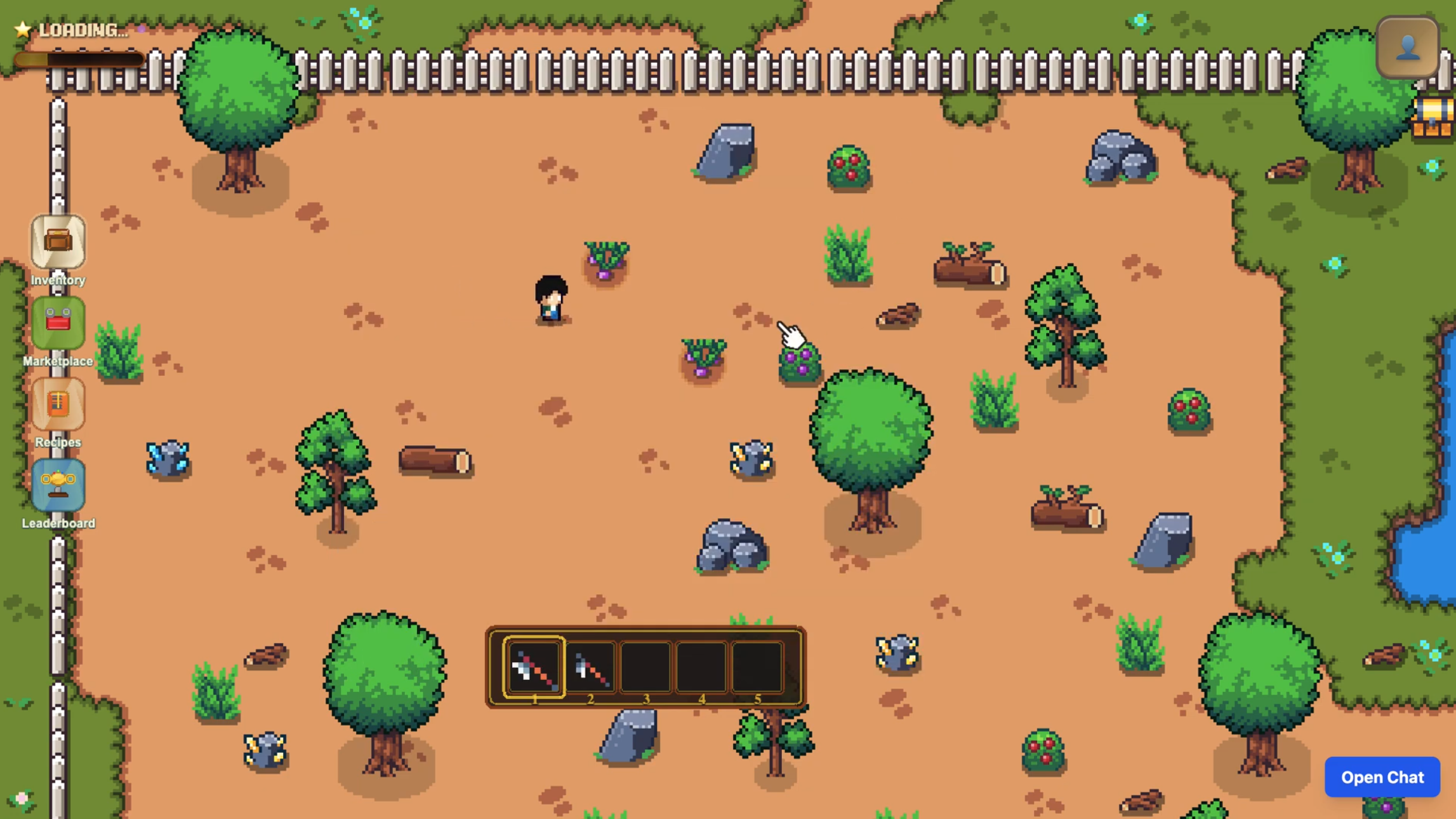
Moonfrost is a shared-world life-simulation game built on OpenLoot that features a charming pixel art aesthetic set in a fantasy version of the modern world. Players can build their dream homestead by farming, gathering resources, and crafting blueprints of varying rarities to personalize their space. The game emphasizes social interaction, allowing players to explore a vibrant environment, meet others organically, and participate in time-limited mini-games. Its economy centers on the Frost token, used for crafting and store purchases, which can be earned by players with an active frost-pass through event victories and selling frost prints. Currently, the game is hosting "The Dahlia Derby," a free Halloween event where participants compete on a leaderboard to earn rewards such as USDC, NFTs, and exclusive items.
Learn more about Moonfrost.
4. Pixels
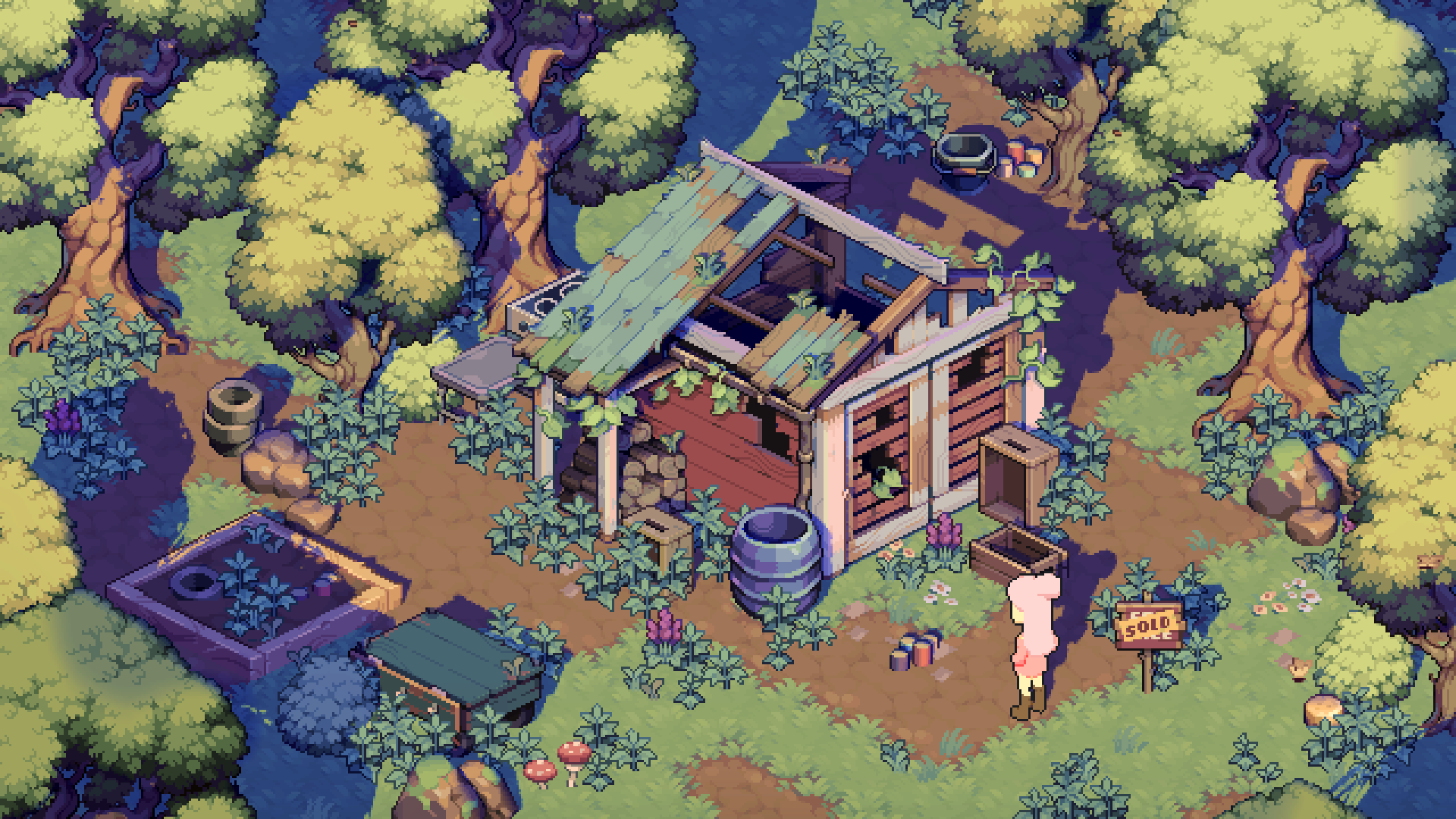
Pixels is a blockchain-based MMORPG that draws inspiration from classics like Stardew Valley and Runescape to provide an open-ended world of farming and exploration. The core gameplay involves gathering resources, cultivating crops, and completing diverse quests to develop skills and build relationships. A standout feature of this title is its cross-project functionality, which allows players to integrate NFTs they already own into the game’s economy. The ecosystem is powered by Pixel tokens, enabling a "play-to-own" environment where players have full ownership of assets like virtual land and collectibles. Players can earn rewards through active gameplay and land management, with new features like pets and enhanced token mechanics ensuring the world continues to evolve.
Learn more about Pixels.
3. Sunflower Land
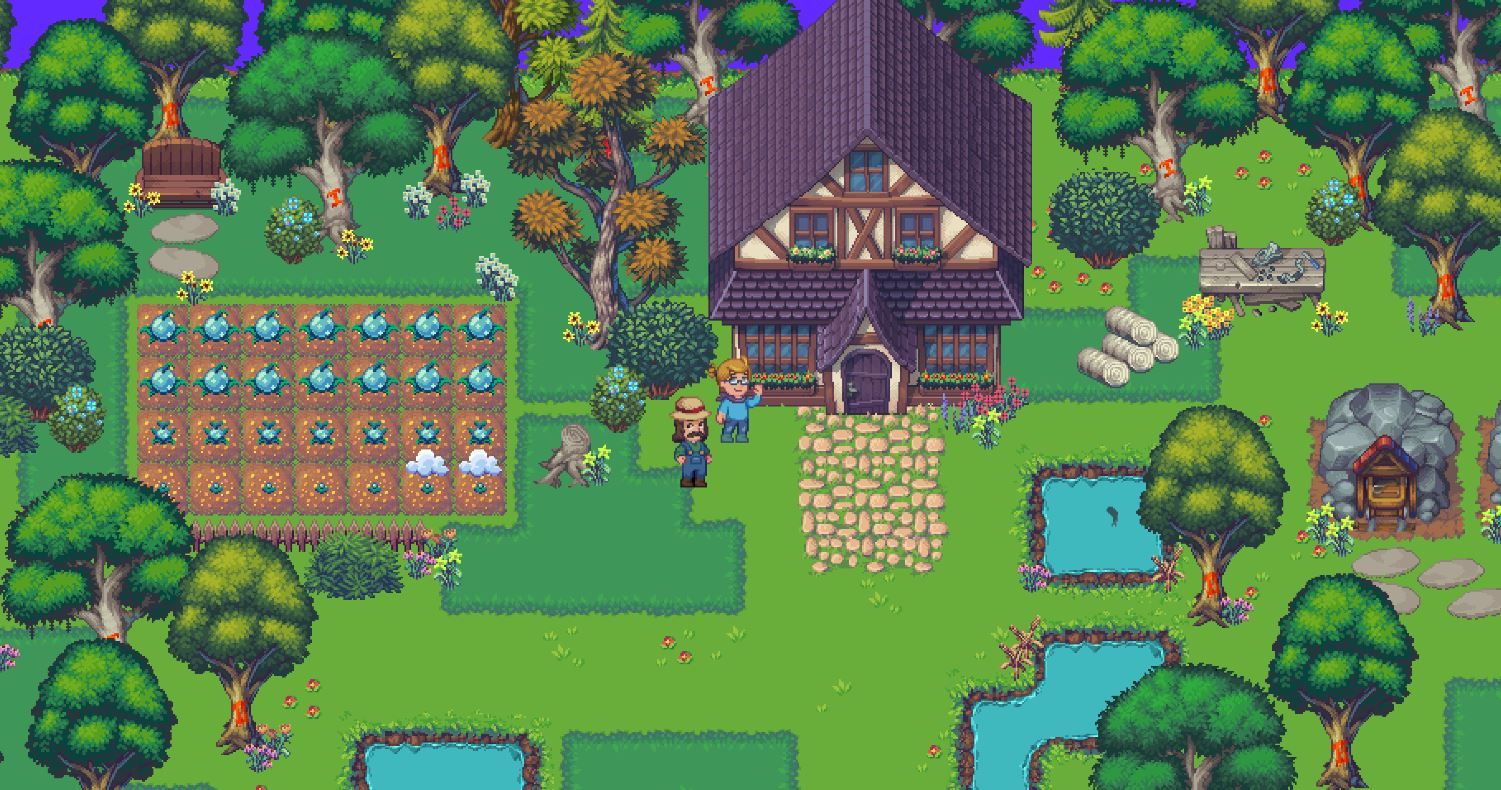
Sunflower Land is a play-to-own title where players farm, trade, and craft NFTs that possess actual in-game utility, such as tools, weapons, and clothing. Beyond basic farming, players can explore diverse areas like Petal Paradise and the Swamp Lands, or engage in activities like fishing for Marine Marvels and digging for treasure. The game operates on a seasonal basis, introducing new challenges and rare resources that require players to plan their activities carefully to maximize rewards. Because players truly own their assets, they can trade them on secondary markets or use them to complete specific in-game deliveries. Additionally, the community plays a role in the project's future by participating in governance through voting on various proposals.
Learn more about Sunflower Land.
2. Veggies Farm
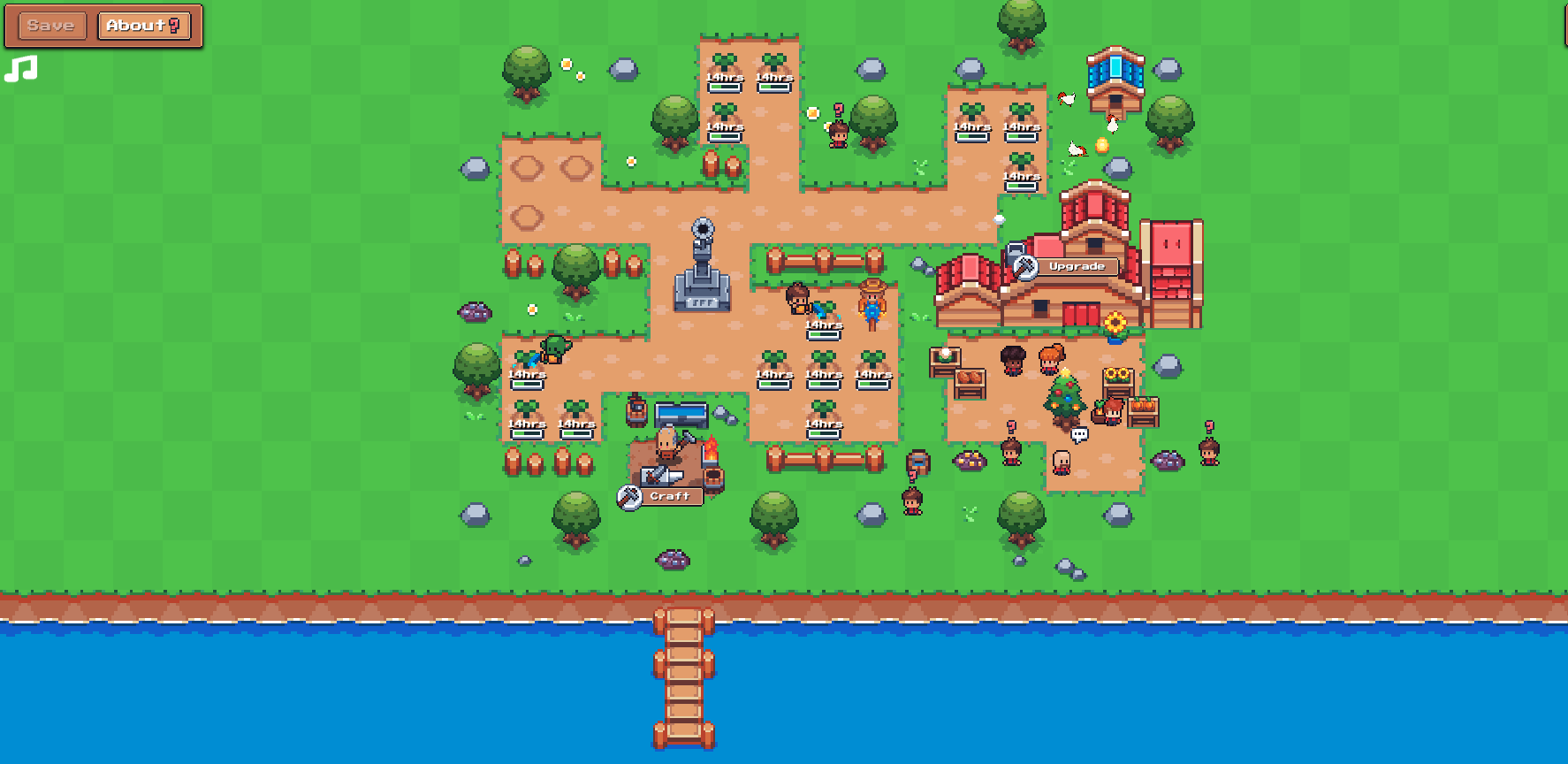
Built on the Polygon network, Veggies Farm is a casual simulation game that offers a distinct blend of farming and PVP combat. In the farming mode, players plant and harvest crops like carrots and potatoes to craft goods such as bread and jam, while building structures like windmills and factories to boost production. The PVP mode introduces a strategic layer where players recruit and train infantry, cavalry, and archers to battle others. The game's native token, GMGEM, serves as the primary currency for purchasing game passes and NFTs, which can be traded in the official marketplace or auction house. This dual-mode approach allows players to balance peaceful resource management with competitive army building.
Learn more about Veggies Farm.
1. Greendale
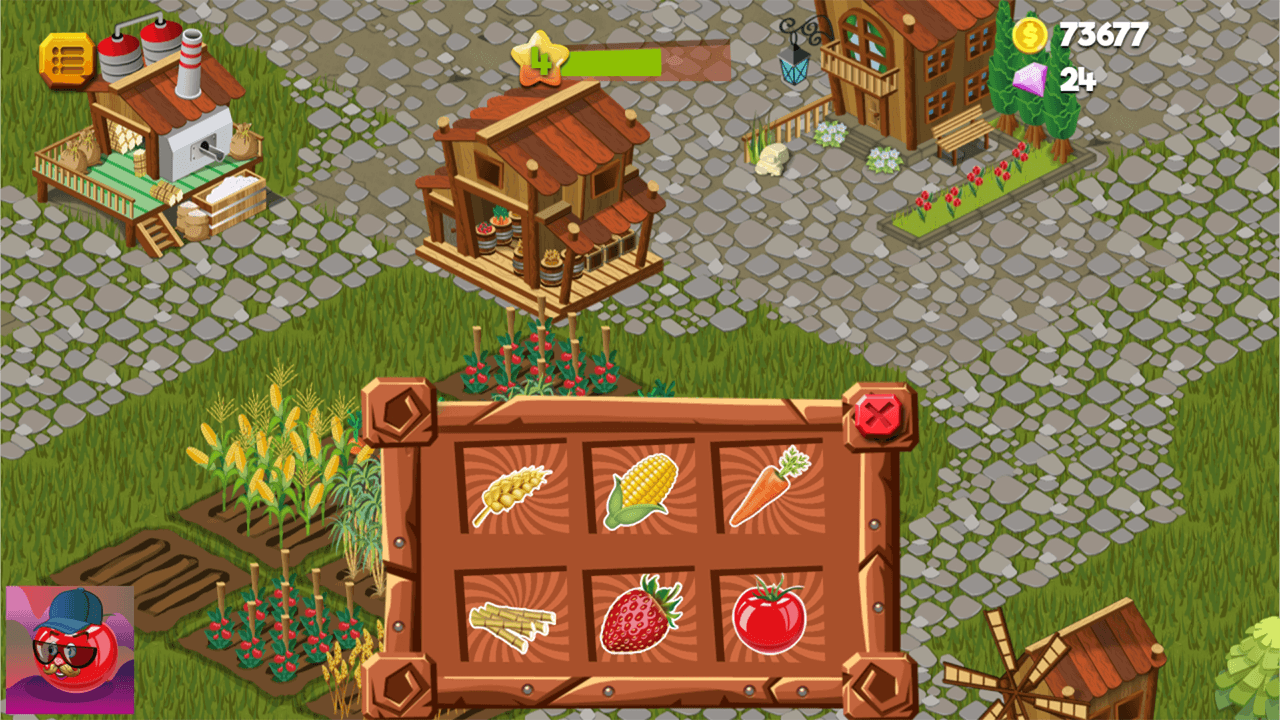
Greendale is a 2D multiplayer farming game on the Solana blockchain that centers on true ownership through NFT-based Farmer Passes. To enter the game, players stake these passes to plant seeds and manage realistic farming cycles that require resources like water and fertilizer. The in-game economy is driven by the $GDS token, which is distributed through farming activities, airdrops, and crop-sale proceeds. In this play-to-earn model, Farmer Passes act as yield-bearing assets that earn passive rewards when staked, while the peer-to-peer marketplace allows for the trading of crops and NFT upgrades. With built-in economic sinks like land upgrades and tool purchases, Greendale focuses on a regulated supply for its internal market.
Learn more about Greendale.